

 See My Latest Article on HelloNation
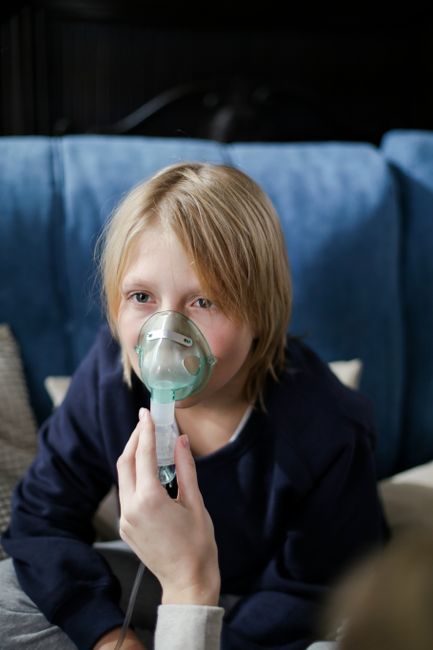
Mold is more than an unpleasant smell or a cosmetic concern. In some people, airborne mold particles can irritate the nose, throat, eyes, and lungs. For people with mold allergies or asthma, exposure may cause symptoms to appear more often or become more severe.
In Columbia, warm weather, high humidity, heavy rain, plumbing leaks, and air-conditioning moisture can all contribute to damp indoor conditions. Understanding how mold affects the respiratory system can help residents recognize patterns, respond appropriately, and know when medical attention is needed.
Can mold cause allergy symptoms?
Yes. Mold can trigger an allergic reaction when a sensitive person breathes in spores or other mold particles. The immune system treats those particles as a threat, leading to inflammation in the nose, sinuses, eyes, throat, or skin.
Common mold allergy symptoms include:
- Sneezing
- Runny or stuffy nose
- Itchy nose, throat, or roof of the mouth
- Red, watery, or itchy eyes
- Postnasal drip
- Coughing
- Skin irritation or rash
Symptoms may occur indoors, outdoors, or both. Indoor symptoms can be more noticeable after spending time in a damp room, basement, bathroom, laundry area, or building with a history of water damage. Some people feel better after leaving the building and worse again after returning.
Mold allergies can resemble seasonal allergies caused by pollen. That overlap makes the source difficult to identify based on symptoms alone. A repeated pattern connected to a particular room, building, or moisture problem is useful information to discuss with a healthcare provider.
How does mold affect asthma?
Mold can trigger asthma symptoms in people who are allergic to mold, but an allergic reaction is not required for mold to irritate the airways. Breathing mold particles may contribute to airway inflammation and make breathing more difficult for some individuals.
Possible asthma-related symptoms include:
- Wheezing
- Chest tightness
- Shortness of breath
- Persistent coughing
- Difficulty exercising or sleeping because of breathing symptoms
- Increased need for prescribed quick-relief medication
For someone with asthma, mold exposure may act alongside other triggers such as dust mites, smoke, respiratory infections, pet allergens, and outdoor pollen. A room with visible mold may not be the only factor affecting symptoms, but it can still be part of the pattern.
Children, older adults, and people with poorly controlled asthma may be especially vulnerable to worsening respiratory symptoms. Infants and children may also spend substantial time close to floors, carpets, and upholstered furniture where settled particles can accumulate.
Does everyone react to mold in the same way?
No. Mold exposure affects people differently. Some individuals notice no symptoms, while others develop significant nasal or breathing problems. The response can depend on a person’s allergies, asthma history, immune system, length of exposure, and the amount of dampness or mold present.
A person does not need to have a diagnosed mold allergy to experience irritation. Mold and damp indoor conditions can affect the eyes, nose, throat, and lungs even when the immune system is not producing a classic allergic response.
The color or name of a mold does not reliably predict how strongly it will affect a particular person. Dark-colored growth is not automatically more dangerous than lighter-colored growth, and visible appearance cannot determine health risk by itself.
What indoor conditions can make symptoms worse?
Mold needs moisture to grow. Common moisture sources in area homes include roof or plumbing leaks, overflowing appliances, condensation around air-conditioning equipment, poorly ventilated bathrooms, crawl-space dampness, and water intrusion after severe storms.
Humidity can also remain elevated indoors when wet clothing is dried inside, bathrooms lack effective ventilation, or air-conditioning systems do not remove enough moisture. In a warm, humid climate, a small leak or damp material may remain wet long enough to support mold growth.
Signs that an indoor environment may be contributing to symptoms include:
- A musty odor that returns after cleaning
- Water stains or discolored ceiling and wall materials
- Repeated condensation on windows or ducts
- Damp carpet, drywall, insulation, or upholstery
- Symptoms that improve after time away from the building
- Asthma flare-ups that occur in a specific room or after water damage
A musty odor does not prove that mold is causing a person’s symptoms, but it can signal hidden dampness that deserves attention.
Can mold exposure cause a new allergy or asthma condition?
Mold exposure may contribute to the development or worsening of respiratory problems, particularly in people who are genetically or medically susceptible. Research has found associations between damp indoor environments and respiratory symptoms, allergic rhinitis, and asthma.
However, a symptom does not automatically prove that mold caused a new illness. Allergies, infections, outdoor pollen, dust, smoke, and other indoor pollutants can produce similar effects. Medical evaluation is the most reliable way to distinguish among these possibilities.
Mold allergy testing may be considered when symptoms consistently suggest an allergic response. Asthma evaluation may include breathing tests, a review of symptom patterns, and discussion of known triggers.
What should residents do if symptoms appear after water damage?
Health symptoms should be addressed separately from the building problem. A person with asthma should continue following the asthma action plan provided by a healthcare professional and use prescribed medication as directed.
Seek urgent medical care for severe shortness of breath, blue lips or fingertips, confusion, fainting, rapidly worsening wheezing, or symptoms that do not improve with prescribed rescue medication.
People with significant asthma, severe allergies, chronic lung disease, or weakened immune systems should avoid unnecessary exposure to visibly damp or mold-affected areas. Children and medically vulnerable household members may also need to stay away while the moisture problem and affected materials are being evaluated.
The building issue should not be judged only by whether symptoms improve. A person may feel better after leaving while damp materials, hidden growth, or recurring moisture remain inside. Water intrusion must be addressed at its source, and affected areas may require assessment under appropriate health and safety procedures.
How can mold-related allergy and asthma symptoms be reduced?
The most effective long-term approach is controlling moisture and reducing exposure to the affected environment. Useful household practices include:
- Repairing leaks promptly
- Keeping indoor moisture at a moderate level
- Using bathroom ventilation during and after bathing
- Ensuring air-conditioning equipment drains properly
- Drying wet materials quickly after a leak or flooding event
- Avoiding storage of moisture-sensitive items in damp areas
- Keeping windows and exterior doors closed during periods of high outdoor mold levels when symptoms are sensitive to outdoor air
- Following an individualized asthma management plan
Air cleaners may reduce some airborne particles, but they do not correct a leak, remove moisture from building materials, or resolve hidden growth. They should not be treated as a substitute for addressing the underlying condition.
Mold is only one possible respiratory trigger, but it deserves attention when symptoms repeatedly occur in damp indoor spaces. For Columbia households, recognizing the connection between moisture, indoor air, allergies, and asthma can help families respond earlier and communicate more clearly with healthcare providers.