

 See My Latest Article on HelloNation
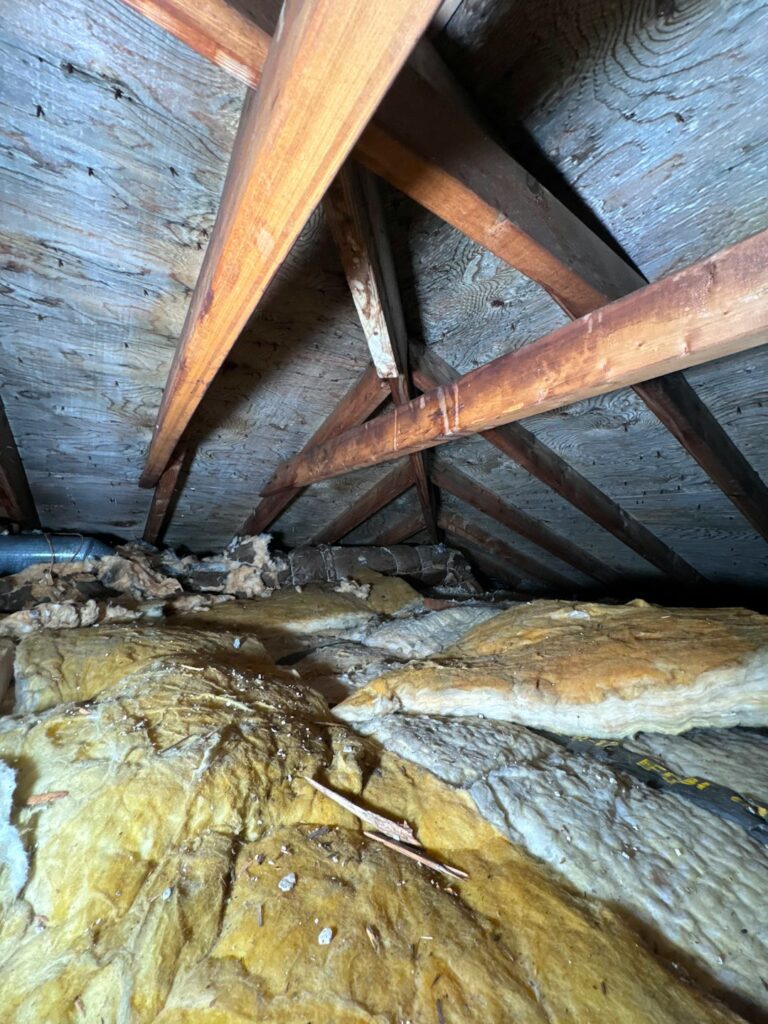
Attic mold is rarely just a cosmetic problem. If moisture and mold are ignored, the condition can spread through insulation and wood, reduce indoor air quality, damage building materials, and make a small roof or ventilation issue more expensive to correct.
For homeowners in Columbia, SC, hot summers, humidity, heavy rain, and occasional storm damage can create attic conditions where moisture remains trapped longer than expected. The most serious problems often develop out of sight, above ceilings and behind insulation.
Does mold in the attic affect the rest of the house?
Yes. Mold in an attic can affect rooms below even when the growth is not visible from inside the living area.
Air can move between an attic and the occupied portion of a home through:
- Gaps around light fixtures and wiring
- Recessed ceiling lights
- Attic access panels
- Plumbing and electrical penetrations
- Unsealed ductwork
- Open or poorly sealed chases
- HVAC equipment or duct connections located near the attic
Mold spores and fragments may travel through these openings. A musty odor can also move downward, especially when the home’s air pressure changes as heating and cooling systems operate.
This does not mean every household with attic mold will become ill. Mold exposure affects people differently, and some people experience no symptoms. However, damp indoor environments can aggravate allergies, irritate the eyes, nose, throat, and lungs, and worsen asthma in sensitive individuals.
What health problems can result from ignored attic mold?
The most common concerns are irritation and allergic reactions rather than a particular “type” of mold. Symptoms may include congestion, sneezing, coughing, wheezing, sore throat, itchy or watery eyes, and skin irritation.
People with asthma may notice more frequent or severe symptoms. Individuals with chronic lung disease or weakened immune systems can face greater risks from significant mold exposure, particularly when large amounts of contaminated material are disturbed.
The color of the mold does not reliably indicate how dangerous it is. Dark, green, white, or gray growth can all signal an underlying moisture problem. Identifying a color is less useful than finding out why the attic became damp and how far the growth has spread.
Anyone experiencing persistent breathing difficulty or severe symptoms should seek medical care. Health symptoms alone cannot prove that attic mold is the cause, since allergies, respiratory infections, dust, and other indoor air problems can produce similar complaints.
Can attic mold damage the roof or framing?
Yes. Mold grows on materials that stay damp, including roof sheathing, rafters, trusses, insulation, paper-backed products, and stored cardboard. Over time, persistent moisture can cause wood to discolor, swell, soften, or decay.
Mold itself is not always the only source of structural damage. The moisture that supports mold can also contribute to:
- Wood rot
- Rusted fasteners and metal components
- Deteriorated roof decking
- Sagging or stained ceilings
- Damaged insulation
- Peeling paint and weakened drywall below
- Pest activity
Not every dark mark on attic wood means the framing has lost its strength. Some staining may be old or superficial. A meaningful assessment looks for softness, active moisture, changes in the wood, roof leaks, condensation, and the condition of surrounding materials.
Ignoring the problem allows the moisture cycle to continue. A roof leak may worsen during repeated storms, while condensation may return every humid season if the underlying airflow or air-sealing problem is not corrected.
Why are attic mold problems common in this area?
Warm, humid weather can make moisture control difficult. In Columbia, summer heat and frequent rain can raise moisture levels around the roof system. A roof may also receive wind-driven rain during severe weather, while hot outdoor air can condense on cooler attic surfaces.
Common causes include:
- Roof leaks around flashing, vents, valleys, or storm-damaged shingles
- Bathroom or kitchen exhaust fans discharging into the attic
- Duct leaks from air-conditioning systems
- Inadequate or blocked soffit and ridge ventilation
- Air leaks from the living space into the attic
- Wet insulation or roof decking that never fully dries
- Plumbing leaks near the ceiling
- Condensation around ducts, nails, or metal components

Adding vents does not automatically solve the problem. If indoor air is leaking into the attic, or if an exhaust fan terminates there, ventilation alone may not stop mold growth. The source of moisture must be identified first.
What happens to insulation if mold is left untreated?
Insulation can hold moisture and hide the full size of an attic problem. Fiberglass insulation may not provide a suitable surface for extensive growth by itself, but its paper backing, dust, framing contacts, and surrounding wood can become contaminated.
Wet or compressed insulation also performs poorly. It may lose insulating value, allow more heat into the living space, and contribute to higher cooling demand during hot weather.
Some insulation materials and other porous building products cannot be reliably restored once they are heavily contaminated or water-damaged. The appropriate response depends on the material, the extent of growth, the moisture source, and whether the area can be safely accessed without spreading contamination.
Is a musty smell the only warning sign?
No. Attic mold may be present without a strong odor. Warning signs can include:
- Brown, black, green, or white staining on roof sheathing
- Damp or matted insulation
- Condensation on nails, ducts, or roof surfaces
- Peeling paint or ceiling discoloration below the attic
- Repeated musty odors after rain
- Visible roof leaks or water trails
- Unexplained increases in indoor allergy symptoms
- Warped wood or soft areas around roof penetrations
A clean-looking ceiling does not rule out an attic moisture problem. Mold may remain above the insulation or on the underside of the roof deck for months before it becomes visible indoors.
Should attic mold be tested before action is taken?
Usually, visible mold and a confirmed moisture source provide more useful information than routine air sampling. There are no broadly accepted indoor limits that determine whether a particular spore count is safe or unsafe, and a negative sample does not prove that hidden growth is absent.
Testing may have a limited role in unusual situations, such as disputes, complex building investigations, or cases where the source of contamination is unclear. For most homes, the practical priorities are identifying moisture, determining the affected materials, and preventing the condition from returning.
When does attic mold require specialized evaluation?
Specialized assessment is warranted when mold covers a large area, involves insulation or structural framing, follows significant water intrusion, affects HVAC equipment, or exists near people with asthma, chronic lung disease, or weakened immune systems.
It is also appropriate when the attic is difficult or dangerous to access, when electrical components may be wet, or when the source of moisture cannot be identified. Disturbing contaminated insulation or roof materials can spread spores through the home and expose the person performing the work.
The central issue is not whether the mold appears “toxic.” Any persistent indoor mold growth indicates excess moisture that needs to be addressed. Leaving it in place gives water damage, building deterioration, and indoor air concerns more time to develop.