

 See My Latest Article on HelloNation
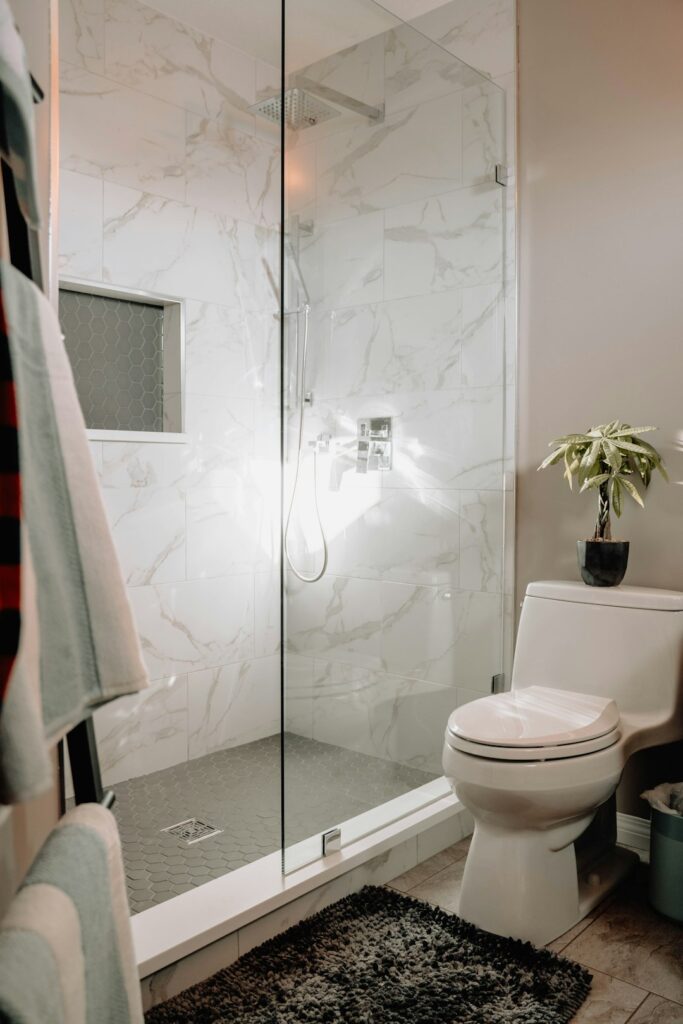
Why Does Mold Often Grow in Columbia, SC Bathrooms?
Bathrooms provide the warm, humid environment mold needs to thrive, something especially common in Columbia, SC due to the climate’s seasonal humidity. Frequent showering, inadequate ventilation, and older housing materials often create perfect growing conditions. Even in well-maintained homes, mold can appear on tile grout, ceilings, shower curtains, or behind fixtures.
Can Bathroom Mold Affect Health?
Small mold patches are a regular issue in many households, but they can still cause irritation. In particular, black or green-tinged mold may release spores that trigger allergies, coughing, or itchy eyes in sensitive individuals. People with asthma, young children, and the elderly are often more susceptible. For most healthy adults, minor mold exposure from bathroom areas generally causes only mild, short-term symptoms, but repeated or excessive growth should never be ignored.
How Should Local Residents Prepare for Mold Cleaning?
Preparing properly helps make the cleaning process safer and reduces the spread of spores. Start with simple personal protective equipment:
- Use rubber gloves, goggles, and a regular dust mask if cleaning small areas.
- Keep windows open (weather permitting) and exhaust fans running.
- Remove or cover nearby toiletries, towels, and personal items.
Gather cleaning supplies, such as:
- A spray bottle
- A scrub brush or old toothbrush
- Mild detergent, white vinegar, or hydrogen peroxide
- Clean cloths or paper towels
Bleach is sometimes used but is not always necessary or recommended for routine cleaning on nonporous surfaces.
What Are the Safest Cleaning Solutions for Bathroom Mold?
For most bathroom surfaces, plain soap and water will remove a lot of visible mold. Vinegar and hydrogen peroxide are also favored by many health-conscious residents, as they are less harsh than bleach and still effective on typical bathroom spores.
- White vinegar can be sprayed directly on affected areas and left for at least an hour before scrubbing and rinsing.
- Hydrogen peroxide (3% solution) can be applied in a similar way for a disinfecting effect.
- Mild dish detergent mixed with warm water is gentle and useful for cleaning grout or tile.
Bleach is only required for hard, nonporous surfaces and should never be mixed with other cleaners. Its fumes can be irritating, especially in small bathrooms.
Are There Special Precautions for Different Bathroom Surfaces?
The safest cleaning approach depends on the specific bathroom surface:
- On tile, porcelain, and grout: Soft brushes help scrub without scratching. Acidic cleaners like vinegar can discolor natural stone, so check a hidden spot first.
- On painted drywall or ceilings: Use a barely damp cloth to avoid saturating the material. Mold stains may persist — paint over only once fully dry and mold-free.
- On shower curtains or bath mats: Machine-washable materials can often be washed with hot water and vinegar or baking soda, then air-dried in the sun.

Avoid using abrasive scouring powders on delicate tiles or fixtures, as they may cause damage.
How Much Mold is Safe to Clean Yourself?
Residents can usually clean small spots — anything under about 10 square feet (roughly a 3 ft x 3 ft patch). Patches larger than this, areas with recurring leaks, or areas where mold keeps returning despite cleaning may require professional intervention, particularly if there’s suspicion of hidden damage (e.g., behind walls or under flooring).
For anyone dealing with respiratory issues or immune concerns, another family member should handle mold cleaning when possible.
How Can Mold Be Prevented After Cleaning?
Preventing future growth is a combination of daily habits and targeted repairs:
- Use the bathroom’s exhaust fan during and after showers.
- Open windows when weather allows; Columbia’s seasonal humidity may require extra fan use in summer months.
- Wipe down tiles, faucets, and tub surfaces with a dry cloth after use.
- Keep shampoo bottles and toiletries off ledges where water accumulates.
Repair leaks or persistent drips quickly, as even small leaks behind walls or fixtures can support mold growth. Regularly launder bath mats and replace shower curtains if mold stains persist.
What Are Common Mistakes or Misconceptions?
Some Columbia-area residents worry that every black spot is a dangerous form of mold. Most common household bathroom mold is not toxic but can cause minor discomfort. Avoid simply painting over visible mold; it must be properly removed and dried before repainting.
Another misconception: many assume bleach is always best. In reality, bleach is overused and is often less effective on porous or caulked surfaces because it doesn’t penetrate below the surface layer where mold roots settle. Vinegar and thorough drying work better for everyday bathroom maintenance.
When Is Professional Help Needed?
While most mold in bathrooms can be handled with careful cleaning, larger infestations (greater than 10 square feet), persistent water damage, strong musty odors, or visible mold spreading into drywall, wood trim, or floors indicate a bigger issue. In such cases, cleaning alone is not enough — further assessment and possibly structural repairs may be required.