

 See My Latest Article on HelloNation
How Are Mold and Mildew Different?
Mold and mildew are both types of fungi frequently encountered indoors, especially in the humid climate of Columbia, SC. Both can thrive in damp conditions, but they differ noticeably in appearance, growth patterns, and potential impact on household health and surfaces.
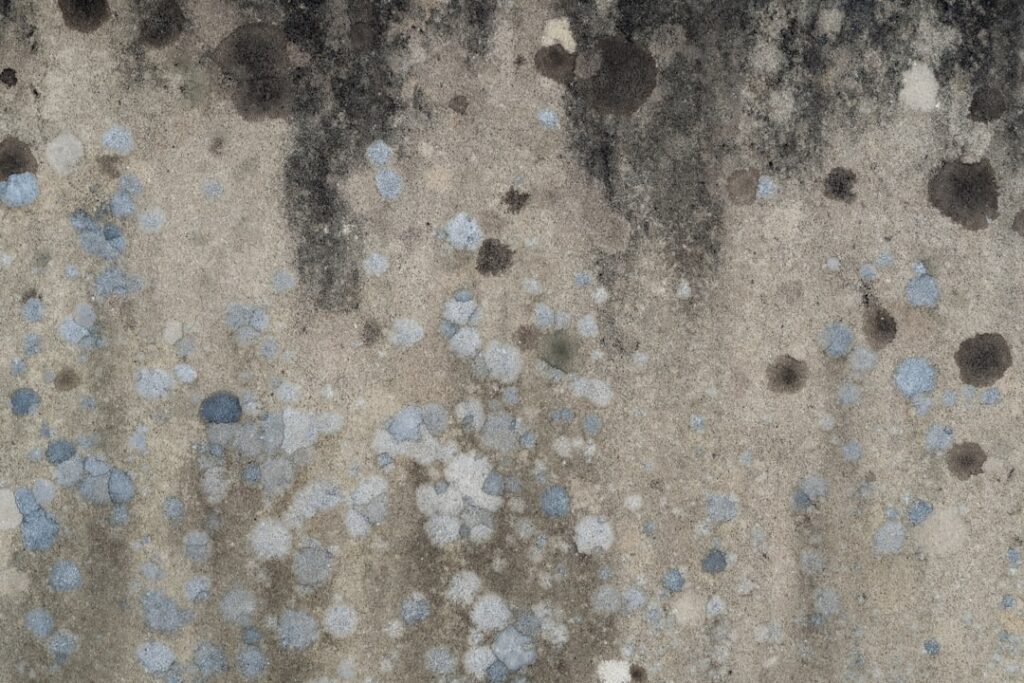
Mildew is typically found on flat, moist surfaces, appearing as a powdery or fluffy patch that is white, gray, or yellow. Mold, in contrast, often looks green, black, or blue and usually forms thicker, more irregular patches that may seem fuzzy or slimy. While mildew mostly stays on the surface, mold can penetrate beneath, making it harder to remove.
Where Do Residents Most Often Find Mold and Mildew?
Both mold and mildew are common in areas with persistent moisture issues such as bathrooms, kitchens, basements, crawl spaces, and around windows where condensation builds up. In Columbia, periods of high humidity and summer storms can increase the risk, especially in homes with poor ventilation or aging insulation.
Mildew is often seen on:
- Shower walls and curtains
- Window sills
- Laundry left too long in washers
Mold is more likely on:
- Drywall or ceiling tiles after a leak
- Basement corners and unfinished walls
- Wood framing or attic beams above damp insulation
Are Mold and Mildew Risks the Same for Health?
Both fungi can be irritating, but mold presents greater health concerns for most people. Mildew exposure is more likely to cause minor respiratory discomfort or aggravate allergies. It typically bothers people with sensitivities but rarely causes serious reactions.
Mold, however, can release spores and sometimes mycotoxins that pose higher risks—especially for those with existing respiratory conditions, infants, seniors, or anyone with a weakened immune system. Symptoms can include:
- Sneezing and coughing
- Asthma flare-ups
- Eye and skin irritation
- In more extreme cases, headaches or fatigue
Columbia's climate means homes are at increased risk during spring and summer, when long stretches of dampness can make even small patches more problematic.
What Causes Mold and Mildew to Grow in Local Homes?
Both fungi need moisture, but their ideal conditions have subtle differences. Mildew grows well on damp, flat surfaces that dry out between wet periods—think shower corners or tile grout. Mold favors ongoing moisture and organic materials, such as wood, paper, or fabric that stay wet for days or weeks.
Causes in Columbia commonly include:
- Air conditioning or plumbing leaks in wall cavities
- High indoor humidity, sometimes above 60%
- Poor attic ventilation or inadequate crawl space vapor barriers
- Heavy rains and flooding that leave materials damp for extended periods
How Can You Tell Mold and Mildew Apart in Everyday Situations?

A quick visual inspection can reveal clues:
- Mildew forms flat, uniform patches that look powdery or fluffy; it wipes away more easily.
- Mold appears in irregular, often raised splotches. The texture may be fuzzy, slimy, or rough, and it is harder to remove completely.
A smell test is also helpful: mildew tends to have a sharp, musty odor, whereas mold often smells earthier or even pungent—sometimes described as rotting wood or wet socks.
If scraping or cleaning a patch leaves a stained or damaged spot behind, it is more likely mold. If it comes off with gentle cleaning and doesn't return quickly, it's probably mildew.
Is Removal or Cleaning Different for Mold and Mildew?
Superficial mildew on tile or glass is usually safe to clean with household solutions like a diluted mixture of bleach and water, or even white vinegar. Just wearing gloves and a mask will help prevent irritation for most people.
Mold removal depends on the amount and where it has grown. Small spots on non-porous surfaces can often be cleaned with similar methods, but patches covering more than ten square feet, or those found on drywall, wooden beams, or insulation, may signal a larger problem beneath the surface.
If a musty odor lingers or discoloration returns after cleaning, it's likely mold has penetrated deeper, and simply scrubbing isn't enough. Large affected areas, or any situation involving contaminated HVAC systems, should be approached with caution before tackling repairs or cleaning.
What Mistakes Do Homeowners Commonly Make?
In the Columbia area, people sometimes mistake persistent mold for mildew and attempt repeated surface cleaning instead of dealing with moisture problems or hidden growth.
Common oversights include:
- Not running bathroom fans or opening windows after showers
- Ignoring small leaks under sinks or appliances
- Blocking HVAC vents or closing off rooms, reducing air circulation
- Using only air fresheners to cover odors rather than locating sources
Seasonal thunderstorms and occasional flooding add unique challenges for local residents. Items like rugs, paper, or old cardboard boxes stored in damp basements can become breeding grounds quickly. Prompt drying and minimizing clutter in vulnerable areas are often more effective than repeated scrubbing.
Does the Climate in Columbia Affect Mold and Mildew?
The warm, humid environment in Columbia increases the speed at which both fungi can grow indoors. Extended periods of rain, high summer temperatures, and frequent storms mean buildings must be well ventilated and inspected regularly for leaks or trapped humidity.
Residents might find that simple actions—like running dehumidifiers during peak humidity, fixing leaks right away, and keeping doorways and windows sealed—can be especially worthwhile in this region. Early recognition and basic preventive steps offer strong protection before either mold or mildew has a chance to spread.