

 See My Latest Article on HelloNation
What Are Common Indicators of Hidden Mold in Columbia, SC Homes?
Hidden mold can be a challenging household issue, especially in the humid and rainy climate of Columbia, SC. While visible mold growth is easy to spot, many area households deal with mold that develops out of sight — behind walls, under floors, or inside HVAC systems. Recognizing subtle signs early helps prevent long-term damage and protects household health.
Why Does Hidden Mold Happen in Local Homes?
Hidden mold thrives in areas where moisture collects and ventilation is poor. Columbia’s hot summers and mild, wet winters often create the conditions for condensation and leaks that go unnoticed. Basements, crawl spaces, and attics in local buildings may trap humidity, especially in older structures or those with less modern insulation.
What Are the Physical Signs Your Home Might Have Hidden Mold?
Several telltale clues suggest mold may be growing where you can’t see it. If you notice these issues, it’s worth investigating further:
- Persistent Musty or Earthy Odors: Mold has a distinct, damp, and slightly sweet smell. If certain rooms or areas — especially basements, bathrooms, or closets — constantly have this odor even after cleaning, it could indicate hidden mold.
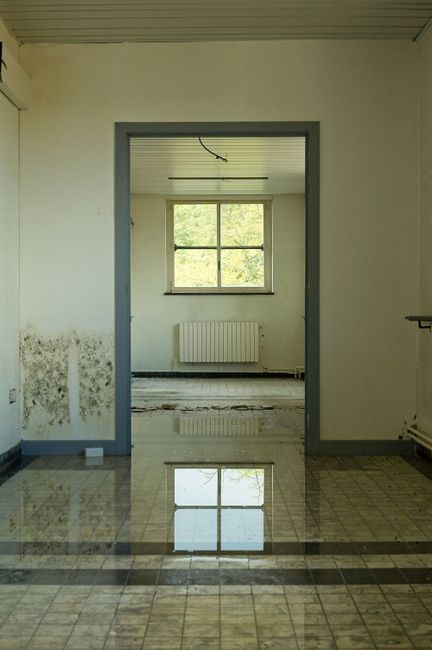
- Stains, Discoloration, or Warping: Unexplained staining on walls, ceilings, or around baseboards can be a sign of water intrusion and resulting mold growth. Look for yellow, brown, or even green and black patches. Peeling wallpaper, bubbling paint, or warped flooring may also develop as mold breaks down building materials.
- Condensation Issues: Consistently foggy windows, persistent dampness on surfaces, or excessive condensation near vents and behind furniture may suggest trapped moisture creating favorable conditions for mold.
- Recent Water Damage: Even a minor leak from a roof, appliance, or plumbing that’s been repaired can leave moisture behind. If repairs weren’t thoroughly dried, mold could be growing behind the finished surfaces.
Are There Health Symptoms Connected to Hidden Mold Exposure?
Yes, exposure to indoor mold can trigger health symptoms, especially in the young, elderly, or those with allergies and respiratory sensitivities. These symptoms may appear even without direct sight of mold:
- Runny nose, sneezing, or nasal congestion that improves outside the home
- Itchy, watery eyes or skin irritation
- Coughing, wheezing, or difficulty breathing, especially in the mornings or after being indoors
- Headaches or unusual fatigue
If multiple people in a household develop new or unexplained symptoms, particularly after heavy rains or water events, it raises suspicion of a hidden moisture or mold problem.
What Are Often Overlooked Areas for Mold Growth in Columbia Homes?
Some problem spots go unnoticed until mold issues become advanced. In local homes, extra attention should be paid to:
- Crawl Spaces and Basements: These tend to be damp due to ground moisture and limited airflow. Vapor barriers, sump pumps, and good drainage are crucial, but even well-maintained spaces in the city can develop musty smells suggesting hidden mold.
- Behind Cabinets and Appliances: Leaks under sinks, behind dishwashers, or near washing machines can remain out of view. Pay attention if these areas seem unusually humid or have a persistent odor.
- HVAC Systems and Ductwork: Mold can grow in heating and cooling systems, especially if filters are rarely changed or if condensation occurs inside ducts.
- Attics and Rooflines: Past roof leaks, improper venting, or poor insulation can leave attics damp. Discoloration on the underside of roofing or odors upstairs can signal an issue.
How Can You Tell the Difference Between Mold and Other Problems?
It’s easy to confuse mold-related issues with simple dirt, dust, or stains. Here are some distinguishing features:
- Mold patches tend to have irregular shapes and may feel slimy or fuzzy if touched (but avoid direct contact).
- Stains that continue to darken, change shape, or reappear after cleaning are more likely due to ongoing moisture and potential hidden mold.
- Persistent odors unresponsive to airing out, cleaning, or odor removers are a red flag, since mold odors are generated by live growth inside structural materials.
Does Local Climate Increase the Risk of Hidden Mold?
In the Columbia area, frequent summer thunderstorms, seasonal flooding, and high average humidity levels all contribute to a greater mold risk than in drier regions. Extended periods of rain, coupled with insufficient home ventilation or maintenance, can foster conditions for mold to take root out of sight.
During the hot months, air conditioning can mask symptoms by reducing visible surface moisture, making it even more crucial to pay attention to subtle warning signs, especially after significant weather events or plumbing issues.
What Steps Can Residents Take if Signs Point to Hidden Mold?
If you suspect hidden mold based on the signs above, practical steps include:
- Identifying and fixing any ongoing sources of moisture, such as leaks, overflowing gutters, or poor drainage around foundations
- Improving airflow in damp areas using fans, dehumidifiers, or by opening vents
- Monitoring symptoms and observing if issues return after basic cleaning or drying measures
When dealing with extensive water damage, persistent health symptoms, or if hidden mold is suspected near important structural components, it is wise to consult reliable resources for guidance on safe evaluation or remediation. Safety and health should always come first when hidden mold is involved, especially in homes with vulnerable individuals.