

 See My Latest Article on HelloNation
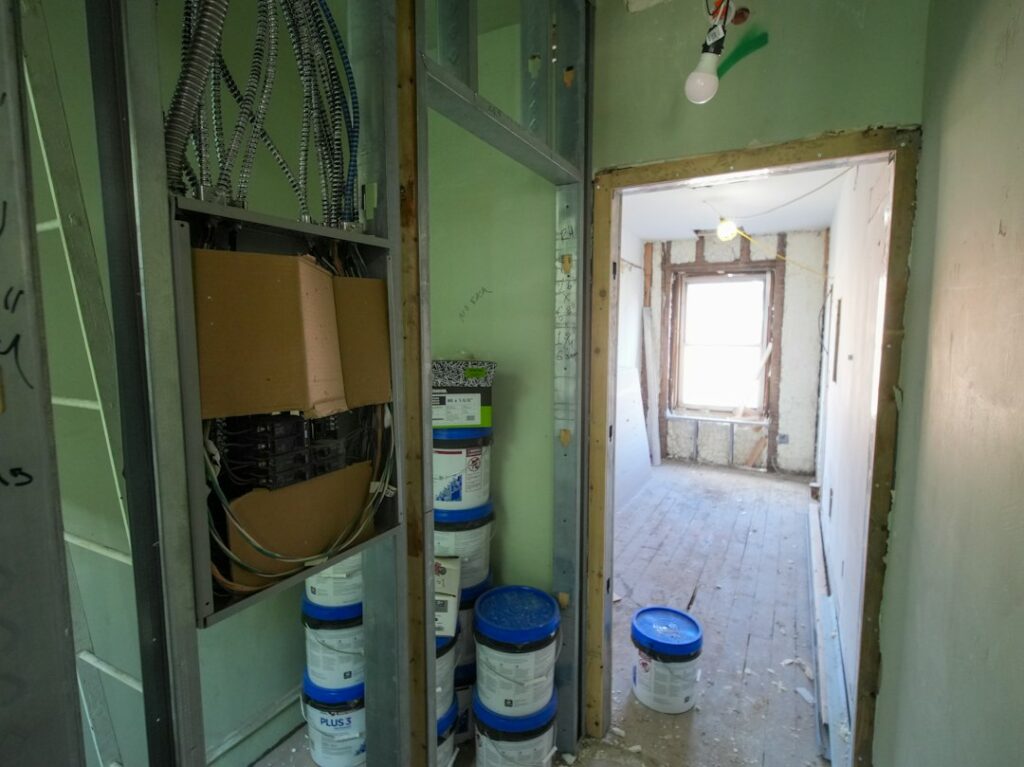
Flooding can create mold-friendly conditions quickly, especially in warm, humid weather. For households in Columbia, SC, the first priority is not scrubbing visible growth. It is making sure the property is safe to enter, stopping additional water intrusion, documenting damage, and beginning controlled drying as soon as possible.
Is it safe to enter the home after flooding?
Do not enter until electrical, structural, gas, and contamination hazards have been evaluated. Floodwater can weaken floors and walls, damage wiring, conceal sharp debris, and carry sewage, chemicals, or other contaminants.
Before entering, look for warning signs such as:
- Sagging ceilings or visibly shifting walls
- Standing water near electrical outlets, appliances, or the main electrical panel
- Strong gas or chemical odors
- Damaged stairs, flooring, or foundation areas
- Floodwater that may have come from sewage, storm drains, or unknown sources
If any of these conditions are present, keep people and pets away until the building is determined to be safe. Children, older adults, people with asthma or chronic lung disease, and anyone with a weakened immune system should not enter a mold- or flood-damaged area unless safety has been established.
What should be done first after the property is safe?
The first practical steps are to stop the source of water, document the condition, and limit further exposure.
Take photographs and video of rooms, walls, flooring, ceilings, furniture, appliances, and personal belongings before damaged materials are moved. Record when the flooding occurred, how high the water reached, and whether the water appeared clean, muddy, sewage-contaminated, or mixed with chemicals.
If water is still entering from a roof, plumbing line, drainage problem, or outside runoff, the source must be controlled. Drying a building while moisture continues to enter will not solve the problem.
Keep doors to affected rooms closed when possible, and avoid moving moldy furnishings through clean parts of the home. Flood-damaged items can spread moisture, debris, and mold particles into areas that were not originally affected.
How quickly can mold begin growing?
Mold can begin developing on damp materials within roughly 24 to 48 hours, particularly in warm, humid conditions. That does not mean every surface will show visible mold on the second day, but wet drywall, carpet, insulation, cardboard, upholstery, and other absorbent materials should be treated as urgent.
Columbia’s hot, humid seasons can slow evaporation inside a closed home. Outdoor air may feel warm and damp, while enclosed rooms, wall cavities, crawl spaces, and flooring layers remain wet. A musty smell, bubbling paint, swollen trim, discolored drywall, or damp carpet can indicate moisture that is not visible from the surface.
The goal is to dry the structure and contents as quickly as safely possible. If materials cannot be thoroughly dried and cleaned within about 24 to 48 hours, they may require removal rather than simple surface treatment.
Which materials are most likely to retain mold?
Porous materials absorb water and can hold moisture below the surface. These materials commonly require careful evaluation after flooding:
- Drywall and plasterboard
- Carpet and carpet padding
- Fiberglass or cellulose insulation
- Ceiling tiles
- Upholstered furniture
- Mattresses and pillows
- Books, paper files, and cardboard
- Wallpaper and some wood-based products
- Fabric window coverings and clothing

Hard, nonporous materials such as glass, metal, and some plastics may be easier to clean and dry, but floodwater contamination still matters. A hard surface exposed to sewage or chemical water may require specialized cleaning decisions rather than ordinary household washing.
Wood can sometimes be dried if it remains structurally sound, but swelling, delamination, warping, staining, or prolonged saturation may indicate deeper damage. Flooring may also look dry on top while moisture remains underneath or inside the subfloor.
Should air conditioning or fans be used?
Air movement and dehumidification can help only when the electrical system is safe and the equipment will not spread contamination. Fans may distribute mold particles from affected rooms into clean areas if used before the space is controlled.
Do not operate electrical appliances in standing water or in areas with damaged wiring. Portable generators must remain outdoors and well away from doors, windows, and vents because of carbon monoxide danger.
Once electrical safety has been confirmed, controlled ventilation, dehumidification, and moisture monitoring can help reduce drying time. Indoor humidity should be brought down and maintained at a level that discourages continued mold growth. Simply opening windows may not be effective during muggy weather if outdoor air contains substantial moisture.
What if the floodwater was contaminated?
Floodwater should not be assumed to be clean. Water that entered from outside may contain bacteria, sewage, pesticides, fuel, animal waste, or other hazardous substances. Contaminated water changes the cleanup requirements and may make certain materials unsuitable for salvage.
Do not handle wet insulation, sewage-contaminated carpeting, spoiled food, or heavily damaged materials without appropriate protective controls. Porous items exposed to contaminated water often cannot be reliably restored because contaminants can remain trapped inside them.
Air ducts, heating equipment, crawl spaces, wall cavities, and enclosed floor systems also deserve attention. If contaminated water reached these areas, operating the heating or cooling system may spread particles or odors throughout the building.
When is professional assessment genuinely necessary?
A qualified assessment is warranted when flooding affected a large area, remained for more than a day or two, involved contaminated water, entered wall cavities or crawl spaces, or caused visible mold over extensive surfaces. It is also appropriate when the building has structural damage, persistent odors, repeated moisture, or occupants who are medically vulnerable.
Large or hidden growth is difficult to evaluate from visible surfaces alone. Removing drywall or flooring without controlling dust and debris can increase exposure and may conceal the full extent of the problem. Specialized equipment may be needed to locate moisture inside walls, under flooring, or around air-handling systems.
Mold sampling is not usually the first priority after flooding. Finding and correcting moisture, evaluating damaged materials, and preventing exposure generally provide more useful information than identifying the exact species or color of mold.
What health symptoms should residents watch for?
Mold and flood-related exposure may contribute to nasal irritation, coughing, wheezing, eye irritation, skin irritation, allergic reactions, or worsening asthma. Floodwater can also expose people to infectious organisms and chemical hazards unrelated to mold.
Anyone who develops trouble breathing, severe wheezing, chest tightness, unusual fever, or other serious symptoms should leave the affected area and seek medical care. People with asthma, chronic obstructive pulmonary disease, significant allergies, weakened immune systems, or other respiratory conditions should avoid participating in flood cleanup.
The safest first response is straightforward: protect people, document the damage, stop continuing water entry, keep contaminated materials contained, and begin safe drying without disturbing damaged areas unnecessarily. Acting quickly can limit the spread of moisture, but safety should come before speed.