

 See My Latest Article on HelloNation
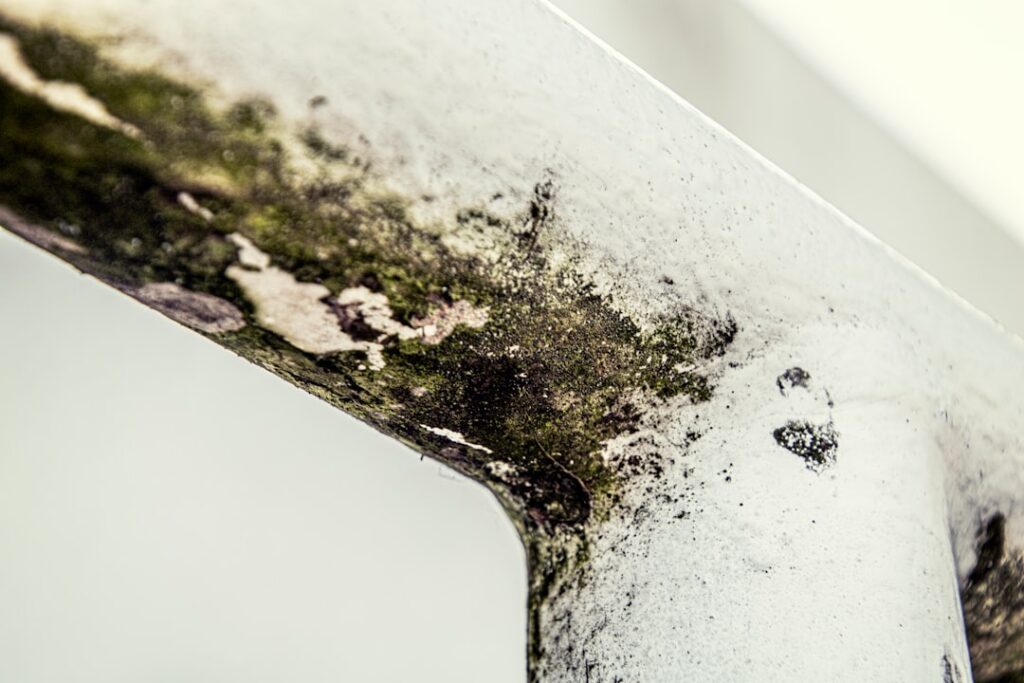
Mold remediation is not simply a matter of spraying a visible patch and wiping it away. A reliable company should identify why mold developed, contain the affected area, remove contaminated materials safely, and explain how the work will be verified.
For residents in Columbia, SC, choosing a remediation company is often difficult because mold problems can follow heavy rain, plumbing leaks, air-conditioning condensation, roof damage, or prolonged indoor humidity. The right choice depends less on advertising and more on the company’s methods, documentation, and willingness to explain its process.
What should a mold remediation company do first?
A qualified company should begin with an inspection and moisture investigation, not with immediate demolition or chemical treatment. Mold is a symptom of excess moisture, so the source must be addressed before cleanup can be considered complete.
Ask whether the inspection will include:
- Visible mold and musty odors
- Water stains, leaks, and plumbing connections
- Attics, crawl spaces, wall cavities, and HVAC-related areas when relevant
- Indoor humidity and condensation conditions
- Porous materials that may need removal
- The size and boundaries of the affected area
A company that gives a firm price or promises complete removal without seeing the property may be relying on assumptions. The scope of work can change significantly depending on whether mold is limited to a surface or has spread behind drywall, beneath flooring, or through insulation.
How can residents compare companies fairly?
Compare written scopes of work rather than relying only on prices. A useful document should explain what will be inspected, contained, removed, cleaned, dried, and repaired.
Look for specific language about:
- The rooms or building areas included
- Materials that will be removed and materials that will be cleaned
- How dust and airborne particles will be controlled
- Equipment used for drying and filtration
- How debris will be handled
- Whether rebuilding or cosmetic repairs are included
- What documentation will be provided afterward
The lowest price may not represent the lowest total cost. An incomplete cleanup can leave hidden contamination or unresolved moisture, leading to additional damage. On the other hand, a very large scope should also be questioned if the company cannot clearly explain why each step is necessary.
What credentials, insurance, and experience matter?
Ask for proof of applicable business credentials, liability insurance, and workers’ compensation coverage. The company should also be able to describe the training and experience of the people who will perform the work.
Certifications can show that workers have studied recognized remediation practices, but a certificate alone does not guarantee careful work. Ask practical questions:
- Who will oversee the project?
- Who will enter the affected area?
- How are workers trained to use respirators and protective clothing?
- How will occupied areas be protected?
- What happens if additional mold is found after materials are opened?
- Is the company experienced with crawl spaces, attics, or HVAC systems?
In Columbia, homes may have varied construction types, older building materials, crawl spaces, and cooling systems that operate for long periods during humid weather. Experience with the specific conditions found in the property can be more useful than a general claim of expertise.
Should mold testing be done before hiring a company?
Testing is not always necessary to confirm a visible mold problem. If mold can be seen and there is a clear moisture source, the more urgent questions are usually how far it has spread and what caused it.
Testing may be useful when:
- The source of an odor is unclear
- Occupants report symptoms but no visible mold is found
- A building has a complicated history of water damage
- There is disagreement about whether cleanup is complete
- The property owner needs independent documentation
Be cautious if a company insists that expensive testing is required before any discussion of the problem, especially if the testing is performed only to support its own proposed work. Independent assessment can reduce conflicts of interest when testing is appropriate.
Air sampling also has limits. A sample represents conditions at one location and one point in time. A “normal” result does not prove that hidden mold is absent, and an elevated result does not automatically identify the moisture source.
What does proper containment look like?
Containment is designed to keep mold particles and demolition dust from spreading to unaffected areas. The exact setup depends on the size and location of the problem, but a company should be able to explain how it will separate the work zone from occupied space.
Possible controls include:
- Plastic barriers and sealed openings
- Negative air pressure in the work area
- Air filtration equipment
- Protective clothing and respirators
- Careful removal and bagging of contaminated materials
- Cleaning of nearby surfaces and pathways
If workers plan to open walls or remove large amounts of drywall without discussing containment, ask how the rest of the building will be protected. A fan blowing air through the work area without filtration can spread contamination rather than control it.

How should the company handle moisture?
Moisture correction is part of remediation, not an optional extra. The company should identify whether the problem came from a leak, drainage issue, condensation, flooding, groundwater intrusion, poor ventilation, or elevated indoor humidity.
In a warm, humid climate, air-conditioning systems and ductwork can create condensation when surfaces are cold and surrounding air contains substantial moisture. Crawl spaces may also remain damp after rain or plumbing problems. Drying may require more than placing a fan in the room.
Ask how the company will determine that materials are dry enough to remain. Useful documentation may include moisture readings, equipment logs, photographs, and a description of the repairs needed to prevent recurrence.
What materials usually need removal?
Porous materials with extensive mold growth often cannot be restored reliably. Examples may include affected drywall, insulation, carpet padding, ceiling tiles, and some wood-based materials.
Hard, nonporous surfaces can often be cleaned if they are structurally sound. Wood framing may sometimes be cleaned and dried rather than removed, depending on the depth of contamination and the condition of the material.
A company should explain why a material is being removed instead of treating every surface the same way. Unnecessary demolition creates added cost and dust, while leaving heavily damaged porous materials in place can undermine the cleanup.
How should the work be documented?
A professional-looking project should produce records that show what was found and what was done. Documentation may include:
- Initial inspection notes
- Photographs before and during work
- Moisture readings
- Areas placed under containment
- Materials removed
- Cleaning methods used
- Drying equipment and dates
- Final condition of the work area
Post-remediation testing can sometimes provide useful independent information, but visual inspection and moisture verification remain important. A clean-looking surface is not enough if the wall is still damp or a hidden leak remains active.
What warning signs should raise concern?
Be cautious about companies that:
- Promise that mold can always be eliminated completely
- Claim a chemical will solve every mold problem
- Refuse to explain the moisture source
- Provide only a verbal scope
- Pressure residents to authorize immediate, extensive demolition
- Discourage questions about insurance or safety procedures
- Use fear-based claims about health effects
- Recommend testing without explaining what decision the results will inform
- Leave reconstruction responsibilities unclear
Mold can affect health, particularly for people with asthma, allergies, or weakened immune systems, but health claims should be presented carefully. A remediation company should not diagnose illness or promise that cleanup will cure a medical condition.
When should residents seek specialized help?
Professional remediation is generally warranted when mold covers a substantial area, involves heating or cooling equipment, affects porous building materials extensively, follows contaminated water damage, or is located where occupants cannot safely work.
Extra caution is also appropriate when children, older adults, or people with respiratory conditions live in the home. Residents should avoid disturbing large areas of visible mold and should not enter contaminated crawl spaces or attics without appropriate protective measures.
The most dependable choice is a company that explains the problem in plain language, separates inspection from sales pressure, addresses moisture before cosmetic cleanup, and provides a written record of the work. That standard helps residents make a decision based on evidence rather than urgency or appearances.