

 See My Latest Article on HelloNation
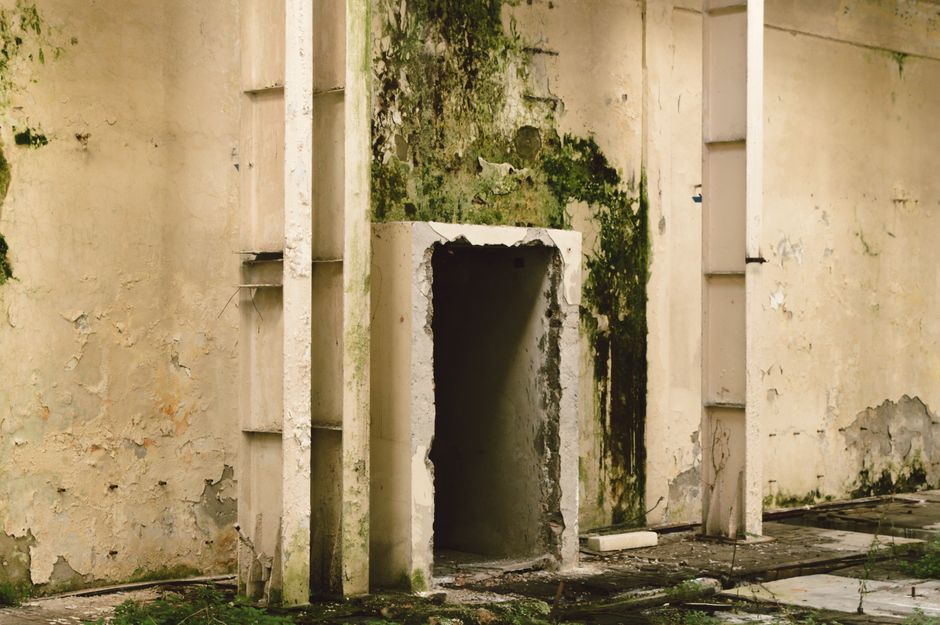
Which Rooms in a Columbia, SC Home See the Most Mold Growth?
Mold is most likely to grow in places with frequent moisture, poor ventilation, and hidden leaks. In Columbia, SC, climate conditions—especially warm, humid summers and rainfall—create optimal settings for mold in certain parts of local homes. Areas most susceptible include bathrooms, kitchens, basements, crawl spaces, laundry rooms, and sometimes attics or HVAC systems.
Why Are Bathrooms So Mold-Prone?
Bathrooms are high-risk spots because of repeated water use and poor airflow.
Shower walls, tubs, grout, and around sinks often stay damp for long periods. In Columbia's humid climate, these areas may not dry quickly, letting mold spores settle and spread. It’s common for mold to appear as:
- Black or pink stains on caulking, tiles, and grout
- Musty smells in corners, under sinks, or near drains
Regular cleaning, running exhaust fans during and after showers, and keeping surfaces dry limits risk—but leaks in plumbing or around toilet bases can allow mold to hide behind walls or under floors.
How Does the Kitchen Become a Mold Hotspot?
In kitchens, regular cooking, dishwashing, and spills mean excess moisture is common.
Sinks, under-cabinet plumbing, refrigerator drip pans, and hidden leaks from dishwashers can create unexpected wet patches where mold thrives. Sometimes, issues are overlooked:
- Dripping pipes inside cabinets
- Forgotten spills or slow leaks beneath appliances
- Damp dish sponges or towels left out
Mold typically appears as slimy patches or discolored spots—and any persistent moisture, especially in seldom-cleaned areas, speeds up growth.
What Should Residents Know About Crawl Spaces and Basements?
Crawl spaces and basements are some of the dampest areas in many Columbia homes.
Soil moisture, rain runoff, and condensation due to temperature swings can keep these spaces perpetually humid. In older homes especially, cracks in foundations or poor yard drainage allow water to seep in. Mold often grows:
- On exposed wood joists and insulation
- Along foundation walls
- Around stored items that don’t get much air
Using plastic vapor barriers, improving drainage, and keeping vents open (when appropriate) help, but a poorly vented crawl space or a basement with high humidity can quickly become a mold reservoir, even if the rest of the house feels dry.
Why Are Laundry Rooms and Utility Closets at Risk?
Laundry setups often feature moving water, warm temperatures, and occasional leaks. Overflows or unnoticed hose drips behind washing machines can go unseen for weeks. In tight utility closets, hot water heaters or HVAC air handlers sometimes leak from time to time. Problems include:
- Mold on walls behind appliances
- Moisture under utility sinks
- Accumulation in corners where clothes or cleaning tools are stored
Promptly attending to leaks and using dehumidifiers during muggy seasons can protect these spaces.
Are Attics and HVAC Systems Often Overlooked?
Attics and ductwork can support mold growth when water enters through roof leaks, insulation stays damp, or airflow is restricted.
Typical issues include:
- Water staining after storms or roof leaks
- Poor insulation trapping humidity
- HVAC condensate drain clogs leading to damp ducts or drip pans
Because attics are rarely inspected, mold can grow undetected for months. Regular checks, especially after severe storms or high humidity spells, are advised to catch early problems.
What Minor Areas Are Easy to Miss?
Some smaller or hidden zones regularly catch Columbia residents off guard. These places include:
- Inside window frames and sills, when condensation forms on cooler glass
- Beneath doormats and area rugs after storms or heavy cleaning
- Behind wall-mounted fixtures like mirrors or shelving in humid rooms
Mold can also develop inside closets against exterior walls if air circulation is limited, especially if clothing or storage blocks air flow.
How Does Local Weather Play a Role?
Columbia’s weather brings regular summer humidity, heavy spring storms, and brief cold snaps. This mix often means more condensation inside homes, and longer drying times for wet spots. Frequent opening of doors and windows to cool off or air out homes may invite spores indoors during peak mold season.
Building codes and typical construction styles in this area sometimes mean older houses lack modern vapor barriers or advanced ventilation, increasing risk in basements, crawl spaces, or attics.
What Common Misconceptions Lead to Mold Growth?
A few typical misunderstandings can raise mold risk in local households:
- Believing mold can’t grow if a surface looks clean—many spores colonize hidden areas out of regular sight.
- Assuming only visible water is a problem—high indoor humidity alone is enough to sustain mold.
- Thinking summer sun alone dries everything—heat without airflow may speed up growth where trapped moisture remains.
Recognizing where mold is most likely, especially in the context of Columbia’s climate, allows residents to check vulnerable areas routinely and resolve moisture issues quickly, reducing the likelihood of bigger problems over time.